There are about 12 recognized “types of hugs“, each acting as a silent form of communication.
-
The Bear Hug: A full-body squeeze that signals deep affection and security.
-
The Side Hug: Casual and friendly, often used in professional or semi-formal settings.
-
The “London Bridge”: A hug where only the upper bodies touch, indicating a polite but distant relationship.
-
The Long Hold: A hug that lasts several seconds, releasing oxytocin and strengthening emotional bonds.
The most telling thing about a hug isn’t what type it is – it’s how long it lasts and where the hands go. Duration and hand placement communicate the most. A hug can say ‘I’m relieved you’re okay,’ ‘I’ve missed you,’ ‘I need you right now,’ or ‘I’m just being polite’ without a single word.
The Full Hug Guide: Type, Meaning, and When It Happens
| Hug Type | Body Language Details | What It Communicates | Common Context |
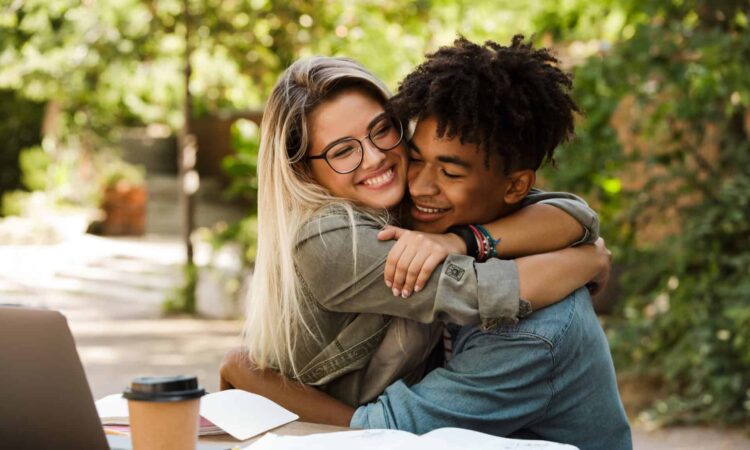
| The Bear Hug | Both arms fully wrapped, firm pressure, often lifts slightly | Deep affection, protectiveness, overwhelming joy | Close friends, family reunions, relief after worry |
| The Side Hug | One arm over the shoulder, bodies at an angle | Friendly warmth without full vulnerability – companionable | Casual friendships, group photos, acquaintances |
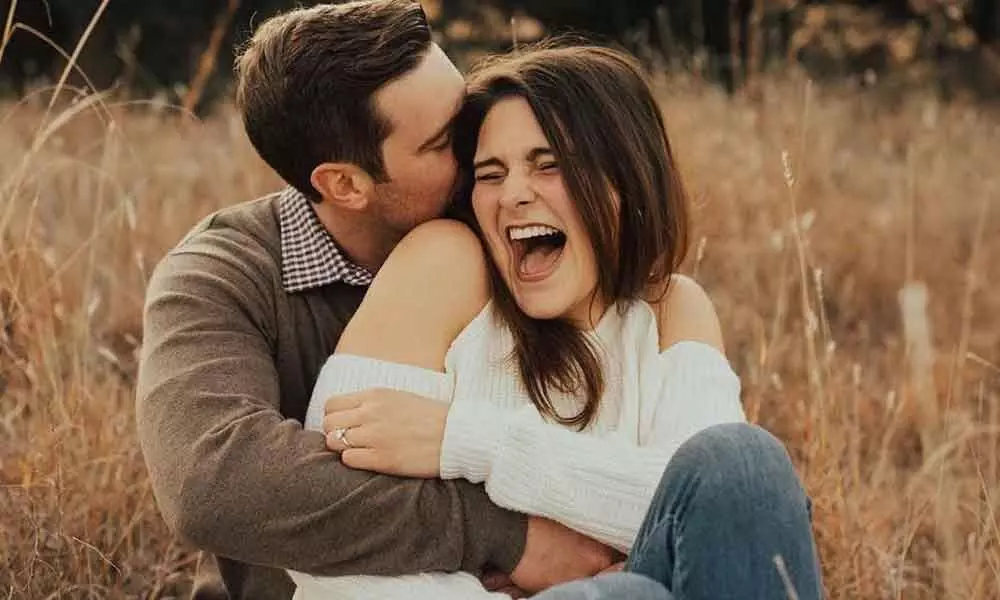
| The Back Hug (from behind) | Arms wrapped around from the back, chin on shoulder | Intimacy, playfulness, feeling safe with someone | Romantic partners, very close friends |
| The Polite Hug | Brief, minimal body contact, quick back tap | Social obligation, warmth without depth | Professional settings, distant relatives, new acquaintances |
| The Long Hug | Any style held for 10+ seconds, bodies relax into each other | Real emotional need – comfort, love, grief, relief | After loss, reunion after long separation, deep intimacy |
| The Forehead Rest Hug | One person rests forehead on the other’s shoulder or chest | Vulnerability, exhaustion, feeling safe enough to let go | Romantic partners, parent and child |
| The Squeeze Hug | Normal hug with extra compression at the peak | Intensity – ‘I really mean this right now’ | Goodbyes, exciting news, shared grief |
| The Swaying Hug | Two people rock gently side to side while holding | Pure comfort and tenderness | Crying moments, celebration, old couples |
| The One-Armed Hug | One arm loosely over shoulder or around waist | Casual affection, often in motion | Walking side-by-side, at events, easy familiarity |
| The Group Hug | Multiple people, someone usually at the centre | Collective belonging, celebration, shared feeling | Sports teams, families, friend milestones |
How to Give a Hug That Actually Means Something
Most people have received a hug that felt hollow – the person was technically hugging but wasn’t really there. A meaningful hug takes almost nothing extra, but it requires presence.
- Commit to it – don’t go in tentatively or pull back too soon
- Match the energy the person brings – if they’re holding tightly, hold back
- Don’t be the first to let go when someone clearly needs more time
- Relax your body – tension transmits; so does ease
- Sometimes a small squeeze at the end says more than the whole hug did
What Hugs Do to the Body
A genuine hug – particularly one lasting 20 seconds or more – triggers a measurable physiological response:
- Oxytocin release: the ‘bonding hormone’ that reduces stress and increases trust
- Cortisol reduction: studies show consistent hugging correlates with lower cortisol (stress hormone) levels
- Heart rate slows: physical contact with someone you trust activates the parasympathetic nervous system
- Pain perception decreases: the reason a hug can actually help when something hurts
What Someone’s Hug Style Reveals
Pay attention to how someone hugs you, because it often reflects how they move through relationships generally:
The polite-only hugger: Not necessarily cold – often someone who needs more trust before physical comfort feels natural. Give it time.
The bear hugger: Usually warm, expressive, physically affectionate by nature. Wears their feelings in their body.
The quick-release hugger: Often independent or less comfortable with vulnerability – not unkind, just needs different kinds of connection.
The lingerer: Rarely lets go first, especially with people they love. Deeply attached, physically expressive of emotion.
The best hug isn’t the most impressive technique. It’s the one where you can feel the other person actually arrived.